If you want a Houston neighborhood with real history, strong character, and everyday convenience, The Heights usually lands near the top of the list. But living here is not just about charming front porches and mature trees. It is also about understanding how the area is laid out, where daily activity happens, and how historic rules can shape your options as a homeowner. Let’s dive in.
The Heights Has a True Village Feel
The Heights started as a planned suburb in the early 1890s, became Houston Heights in 1896, and was annexed by the City of Houston in 1918. According to the City of Houston’s historic district overview, the original community included streets, sidewalks, utilities, and streetcar connections so residents could live north of downtown and still commute into the city.
That early planning still shows up in how the neighborhood feels today. The area has a more self-contained rhythm than many other inner-loop locations because it was designed with public space, housing, and daily needs in mind from the start. If you are looking for a neighborhood with a strong identity, that sense of place is one of The Heights’ biggest draws.
The Heights Changes Block by Block
One of the most important things to know is that The Heights is not one single, uniform district. The city recognizes three separate historic districts in The Heights: West, East, and South.
That matters because your experience can vary depending on the exact block. Some streets feel especially preserved and residential, while others sit closer to more active corridors like Yale, 11th, 19th and 20th, or areas near I-10 that have seen more change over time. If you are home shopping here, the micro-location matters as much as the neighborhood name.
Heights Boulevard Defines the Look
Few features say “The Heights” more clearly than Heights Boulevard. The Houston Heights Association describes the boulevard esplanade as a 60-foot-wide, tree-lined central thoroughfare, and the city notes it was the first street built in the original planned community.
For residents, that boulevard is more than a pretty stretch of roadway. It reinforces the neighborhood’s historic design, creates a memorable visual center, and adds to the walkable, public-space-oriented feel that sets The Heights apart.
Homes Have Historic Character
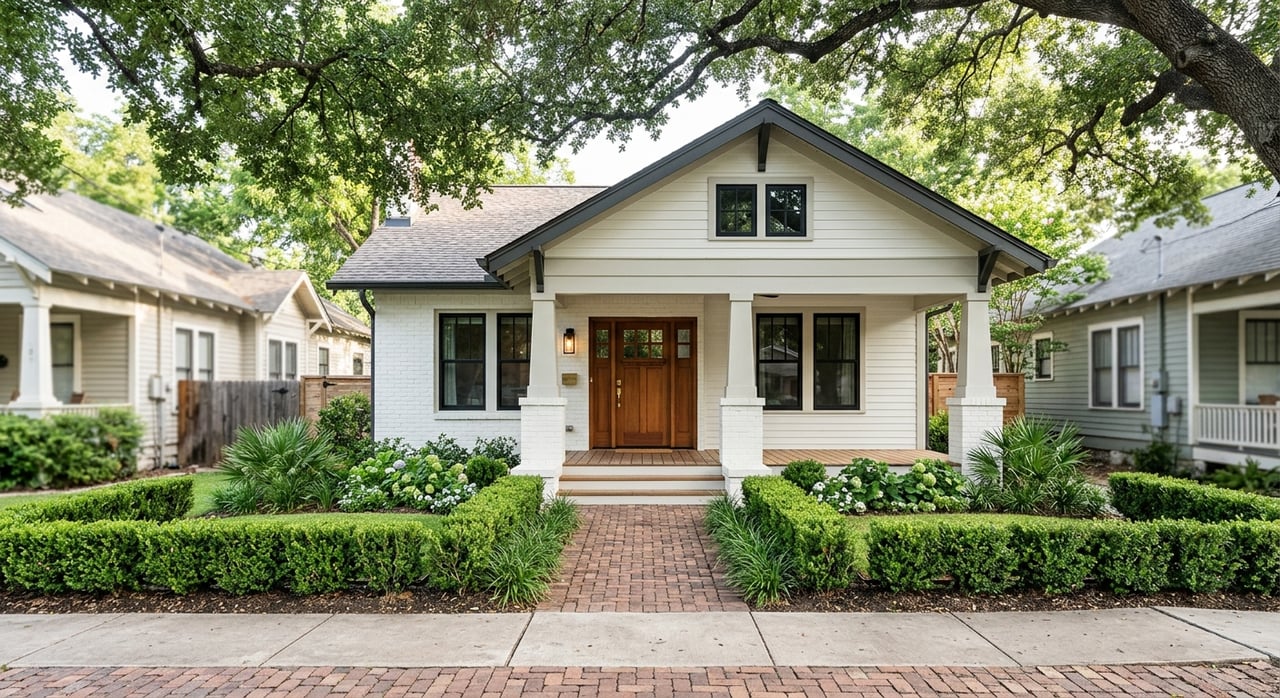
If you love architecture, The Heights offers one of Houston’s most distinctive collections of older homes. The city’s preservation materials note that many homes are one or two stories with large windows, front porches, decorated gables, and pier-and-beam foundations. Common styles include bungalows, Queen Anne, Craftsman, and Colonial Revival homes, as described in the City of Houston’s guide to Heights home features.
This is a big part of the neighborhood’s appeal. Instead of a single architectural pattern, you get a mix of early-20th-century forms that create visual interest and a strong sense of continuity. Many properties are also individually listed on the National Register of Historic Places, with some carrying additional state or city landmark status.
Preservation Rules Are Part of Daily Ownership
Historic charm comes with practical considerations. In the city’s historic districts, exterior changes must be approved in advance through a Certificate of Appropriateness, and homeowners may also need to review deed restrictions or civic association rules.
That means if you are considering an addition, exterior renovation, or major facade update, you should confirm whether a property sits inside a designated historic district before assuming you can make changes freely. For some buyers, this level of review helps protect neighborhood character. For others, it is an important trade-off to understand upfront.
Newer Homes Still Fit the Setting
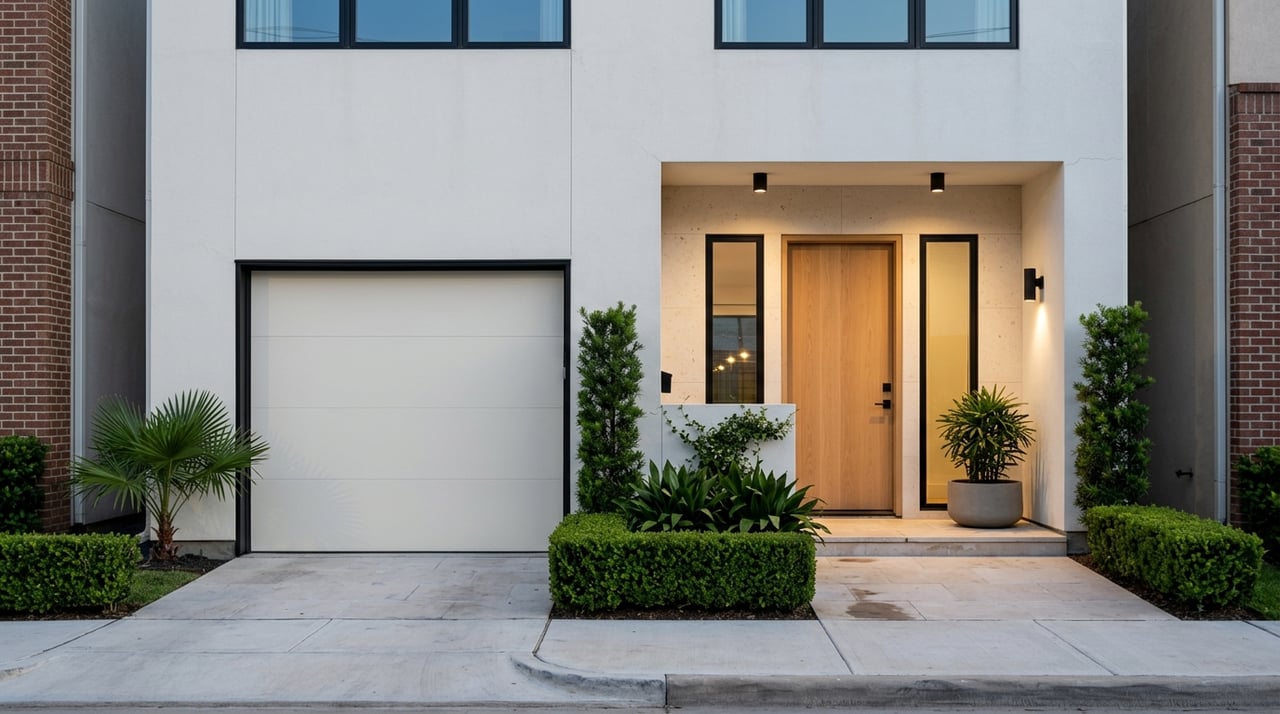
Even with its historic identity, The Heights is not frozen in time. The city notes that modern buildings continue to go up on vacant lots, often using traditional details to blend with surrounding homes.
This creates an interesting mix for buyers. You can find historic homes with original character, updated homes that preserve older design cues, and newer construction that reflects the neighborhood streetscape more thoughtfully than you might expect. If you want a home with modern function in a more established setting, that blend can be very appealing.
Daily Life Centers on Key Corridors
When people talk about living in The Heights, they are often talking about how easy it is to mix errands, dining, and recreation into everyday life. Visit Houston’s Heights guide highlights 19th Street as a major destination for shopping, coffee shops, restaurants, bars, and music venues including The Heights Theater and White Oak Music Hall.
Another active pocket is Heights Mercantile, located at Heights Boulevard, 7th Street, and Yale Street. Visit Houston notes that this area sits across from Donovan Park and along the Heights Bike Trail, adding another walkable node for dining, shopping, and services.
In practical terms, that means the neighborhood’s activity is concentrated rather than spread evenly across every street. You can enjoy quiet residential blocks while still having commercial areas close by.
Trails and Outdoor Access Stand Out
The Heights has an outdoor lifestyle that feels unusually integrated into daily movement. The Houston Parks and Recreation Department trail system notes the city maintains more than 163 miles of trails, and city information on the 2022 MKT Spur Connector explains that the project linked the MKT Trail and White Oak Bayou Greenway.
That connection added an 850-foot trail segment and linked users to 17 miles of hike-and-bike trails. For you as a resident, that means walking and biking are not just occasional weekend activities. In many parts of The Heights, they are part of how people get around and enjoy the neighborhood on a regular basis.
Community Involvement Is Noticeable
The Heights often feels more neighborly than you might expect from an urban setting. The Houston Heights Association describes its vision as a diverse, small-town community in the heart of Houston, and its work includes supporting boulevard improvements, parks, and restoration efforts.
That active civic presence helps explain why the area often feels event-driven and engaged. If community identity matters to you, The Heights offers a long-established example of residents investing in the look and upkeep of shared spaces.
Commutes Can Be Convenient
The Heights was originally built around streetcar access, and that transportation history still shapes the neighborhood. The city says the original development extended streetcar lines into the area, and today METRO’s Route 40 Telephone/Heights serves stops including Heights Blvd at E 11th, Heights Library, and downtown destinations such as the Central Business District, Discovery Green, and Sam Houston Park, according to the City of Houston’s Heights history page.
For many residents, downtown access feels relatively convenient because of that historic layout, current bus service, and trail connectivity. Still, The Heights is fully urban, so your day-to-day commute will depend on your route, timing, and exact location within the neighborhood.
School Searches Are Address Specific
If schools are part of your home search, it is important to verify information by property address. Houston ISD states that most schools have specifically defined attendance zones, and the district provides a school-zone search tool for that reason.
That is especially helpful in The Heights because attendance is not based simply on the neighborhood name. If you are narrowing down homes, checking zoning early can help you make a more informed decision.
What Living In The Heights Really Feels Like
At its best, life in The Heights feels like a blend of historic Houston and modern inner-loop convenience. You get architecture with personality, recognizable commercial pockets, strong trail access, and a neighborhood identity that has stayed unusually intact over time.
The trade-off is that it is not a plug-and-play subdivision. The area is more varied, more urban, and more regulated in certain historic sections. For many buyers, that is exactly the appeal. You are choosing a neighborhood with texture, not sameness.
If you are exploring inner-loop Houston neighborhoods and want help comparing character, housing options, and lifestyle fit, Kasteena Parikh can help you navigate the details with a polished, local-first perspective.
FAQs
How historic is The Heights in Houston?
- The Heights is highly historic, but not uniform. The City of Houston recognizes West, East, and South historic districts, and some corridors have changed more than others over time.
What types of homes are common in The Heights?
- One- and two-story homes are common, including bungalows, Queen Anne, Craftsman, and Colonial Revival styles, often with porches, large windows, and pier-and-beam foundations.
Is The Heights walkable for daily life?
- Walkability is strongest around 19th Street, Heights Boulevard, Heights Mercantile, and the connected trail network, where shopping, dining, and recreation are clustered.
What should buyers know about renovations in The Heights?
- If a home is inside one of the historic districts, exterior changes may require approval through a Certificate of Appropriateness, so it is important to verify the property’s status before planning updates.
How do school zones work in The Heights?
- School assignments are address-based. Houston ISD recommends using its school-zone search tool to confirm attendance zones for a specific property.
What is a key lifestyle trade-off in The Heights?
- The Heights offers strong character, active street life, and historic appeal, but it can feel more urban, less uniform, and more regulated than a typical subdivision.