If you are considering Montrose, you are probably drawn to more than just a home. You are looking at a lifestyle shaped by art, walkability, dining, and late-night energy in one of Houston’s most recognizable inner-loop neighborhoods. This guide breaks down what Montrose offers, where the tradeoffs show up, and how to think about daily life before you make a move. Let’s dive in.
Why Montrose Stands Out
Montrose is a roughly four-square-mile neighborhood just west of downtown Houston, with roots as a 1911 streetcar suburb. Today, it is widely known for its mix of culture, restaurants, nightlife, and residential character. That combination gives it a feel that is hard to replicate in other parts of Houston.
Montrose also stands out for how easy it can be to get around without relying on your car for every trip. Walk Score identifies Neartown-Montrose as the most walkable neighborhood in Houston, with a neighborhood score of 86. A sample Montrose location scores 93 out of 100 and is labeled a Walker’s Paradise, with good transit and very bikeable access.
Montrose Arts and Culture
One of Montrose’s biggest draws is that its cultural identity is spread across everyday life rather than centered on one single attraction. You can move through residential streets and still find major art destinations, galleries, and public spaces woven into the neighborhood. That creates a setting that feels both lived-in and culturally active.
The Menil Campus Experience
The Menil Collection is one of the area’s defining landmarks. It is a free, 30-acre campus of art buildings and green spaces located within a residential part of Montrose. That setup gives the area a distinct rhythm, where quiet blocks and major cultural spaces sit side by side.
For buyers and renters alike, this matters because it shapes how the neighborhood feels on a normal weekday, not just on weekends. You are not driving into a separate arts district. You are living near institutions that are part of the daily landscape.
Other Cultural Anchors
Montrose also includes the Rothko Chapel on Sul Ross, known as a contemplative art and spiritual space. Art League Houston on Montrose Boulevard adds exhibitions, classes, public art, and adjacent free parking. Together, these institutions help explain why Montrose has long been associated with creativity and independent character.
Visit Houston also describes the neighborhood as a place known for galleries, antiques, thrift shops, cafés, craft cocktails, and nightlife. In practical terms, that means the culture here is not limited to museums. It often shows up in the storefronts, the commercial corridors, and the pace of the neighborhood itself.
Montrose Nightlife and Energy
If nightlife matters to you, Montrose has real appeal. It has an active late-evening scene, especially along commercial corridors, with bars, restaurants, and music venues contributing to a lively atmosphere. For some buyers, that energy is the reason Montrose makes the shortlist.
At the same time, nightlife is one of the clearest examples of how lifestyle and tradeoffs meet in this neighborhood. The same density and mixed-use pattern that make Montrose interesting can also make certain blocks feel busier after dark.
Where Activity Concentrates
Nightlife is not evenly distributed across every residential street. Research points to corridors near Westheimer, Montrose Boulevard, and similar commercial areas as the places most likely to feel more active at night. Anvil on Westheimer, for example, is open daily from 2 p.m. to 2 a.m., which helps illustrate the late-night pattern in parts of the neighborhood.
The broader Montrose and Midtown entertainment area also includes long-running live music destinations like the Continental Club on Main Street. While not every home will feel the same impact, buyers who value quiet evenings should pay close attention to exact block location.
What That Means for Daily Living
Noise in Montrose is best understood as block-dependent. Interior residential streets may feel very different from homes close to major commercial strips or live-music venues. Two properties with similar square footage can offer very different day-to-day experiences simply because of where they sit in the neighborhood.
If you love a vibrant, central-city setting, that energy may feel like a benefit. If you prefer calm streets and minimal late-night activity, Montrose may still work for you, but the location within Montrose becomes especially important.
Montrose Housing Types
Montrose does not offer one single housing story. Instead, it gives you a layered mix of historic homes, apartments, townhouses, lofts, patio homes, and newer infill development. That variety is part of the neighborhood’s appeal, but it also means buyers need to narrow their priorities before they start comparing options.
Historic and Character Homes
City of Houston materials describe historic houses in styles such as Craftsman, Colonial Revival, and Prairie, along with historic apartment buildings. Other city descriptions of Montrose mention old mansions and Arts and Crafts bungalows. On some streets, that translates to mature trees, established homes, and a more traditional neighborhood feel.
For buyers who care about architectural character, Montrose can offer options that feel distinct from newer planned development. The visual variety is often part of the charm. It can also mean that homes differ more in layout, upkeep, and lot configuration than in more uniform neighborhoods.
Newer Infill and Multifamily Options
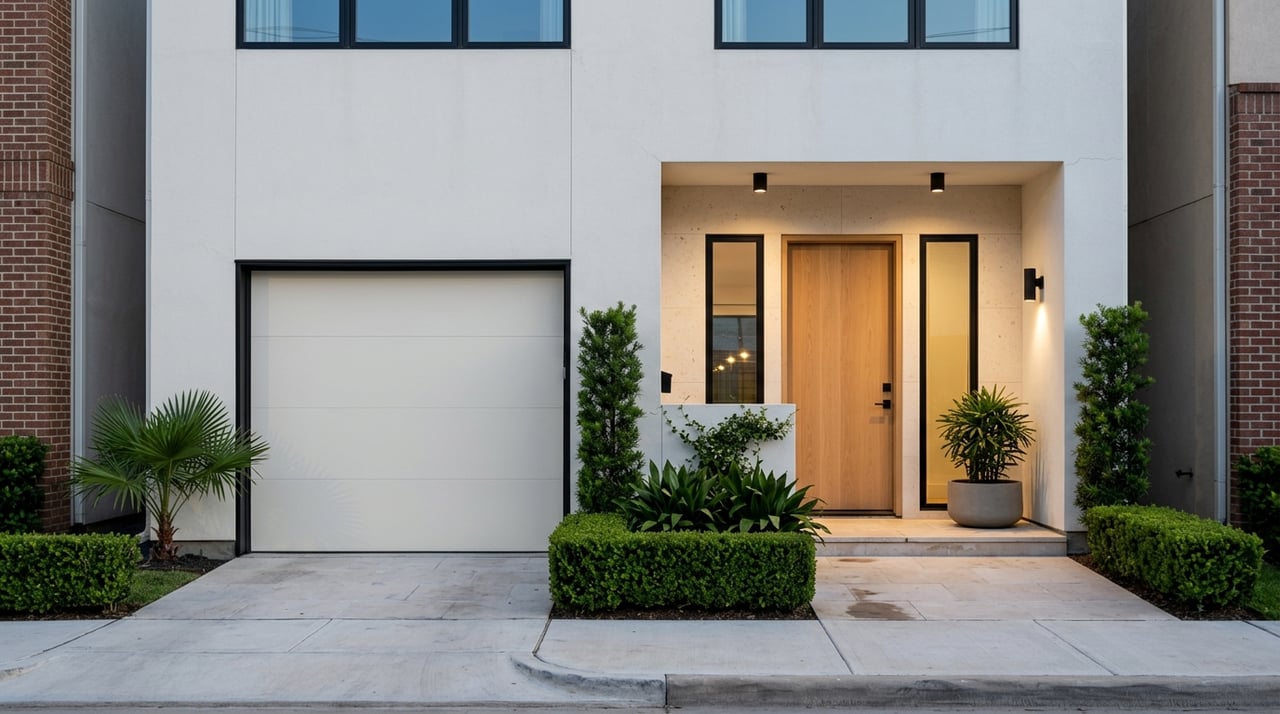
Montrose also includes new townhouses, lofts, patio homes, and denser multifamily buildings. On some blocks, newer infill has changed the streetscape and created a more urban feel. This can appeal to buyers who want lower-maintenance living or a more contemporary layout close to central Houston destinations.
Because of that mix, Montrose can feel like several housing markets at once. One street may lean bungalow-heavy and leafy, while the next may be more compact, vertical, and dense. That is why it helps to evaluate homes block by block instead of making broad assumptions about the entire neighborhood.
Green Space in Montrose
Many buyers are surprised to learn that Montrose has meaningful green space for an inner-loop neighborhood. The Menil campus alone covers 30 acres, offering open space within a residential setting. That adds breathing room in a neighborhood better known for its cultural and commercial energy.
Montrose also includes Cherryhurst Park and Mandell Park, both official City of Houston parks. These spaces can add convenience for everyday walks, outdoor time, or simply breaking up the urban feel with smaller neighborhood parks.
Access Beyond the Neighborhood
Buffalo Bayou Park is another major amenity nearby. It is a 160-acre park with gardens, native landscaping, public art, and hike-and-bike trails, and visitors can use it on foot, by bike, or on the water. For buyers who want urban living without giving up outdoor access, this is an important part of the equation.
The Montrose Boulevard Walkable Montrose plan also frames the corridor as a key pedestrian link between Buffalo Bayou trails and the Hermann Park, Rice, and Texas Medical Center area. In everyday terms, Montrose’s location supports a connected inner-loop lifestyle.
Parking and Transportation Tradeoffs
Montrose works well for people who value central access and multimodal transportation. It is also a neighborhood where parking deserves serious attention during your home search. Both things can be true at once.
Parking Is More Block Specific
The City of Houston created the Montrose Special Parking Area to make better use of existing parking through shared parking, valet, off-site parking within walking distance, and structured parking. The plan also calls for improving on-street parking conditions in the district. That tells you something important: parking demand is a real part of how this neighborhood functions.
For buyers, the takeaway is simple. Parking is not impossible, but it is more constrained and more dependent on exact location than in lower-density areas. If you are comparing homes, details like garage access, curb conditions, guest parking, and nearby commercial activity should be part of your review.
Transit Access Is Strong
Montrose has solid transit connections for an inner-loop neighborhood. METRO’s 82 Westheimer route runs about every 8 minutes on weekdays and every 10 minutes on weekends, connecting Montrose with downtown Houston and the Galleria. The 56 Airline/Montrose route serves destinations that include the Texas Medical Center, the Museum of Fine Arts, and the Contemporary Arts Museum Houston.
The 25 Richmond route also lists Montrose, Mandell Park, Greenway Plaza, and Uptown Houston among its destinations. If your routine includes central-city commuting or you simply want alternatives to driving, Montrose offers practical transportation advantages.
Who Montrose Fits Best
Montrose is often a strong fit if you want a central, walkable, culture-heavy lifestyle with a broad range of housing styles. It can work especially well if you value proximity to art spaces, restaurants, nightlife, transit, and inner-loop destinations. Buyers who enjoy active streets and a neighborhood with personality often find a lot to like here.
It may be less compelling if your priorities center on large yards, consistently quiet surroundings, and easy parking on every block. Those tradeoffs are tied to the same density and mixed-use environment that make Montrose appealing in the first place. That does not make the neighborhood better or worse, just more specific in who it serves well.
The key is matching the right part of Montrose to the way you actually live. In a neighborhood this layered, the block matters almost as much as the address.
If you are weighing Montrose against other inner-loop options, having a local, detail-oriented perspective can save you time and help you focus on the right fit. For thoughtful guidance on Houston neighborhoods and design-conscious homes, connect with Kasteena Parikh.
FAQs
What is Montrose in Houston known for?
- Montrose is known for art, culture, food, nightlife, and a walkable inner-loop lifestyle, with destinations like the Menil Collection, Rothko Chapel, galleries, cafés, and commercial corridors that stay active into the evening.
Is Montrose Houston walkable for daily living?
- Yes. Walk Score identifies Neartown-Montrose as the most walkable neighborhood in Houston, and sample locations in Montrose score as a Walker’s Paradise with good transit and very bikeable access.
What types of homes are in Montrose Houston?
- Montrose includes a wide mix of housing, including historic Craftsman, Colonial Revival, and Prairie-style homes, historic apartment buildings, old mansions, bungalows, townhouses, lofts, patio homes, and newer infill residences.
Is parking difficult in Montrose Houston?
- Parking can be more constrained and block-specific than in lower-density neighborhoods. The City of Houston’s Montrose Special Parking Area reflects the need for shared parking, valet options, off-site parking, and improvements to on-street parking conditions.
Is Montrose Houston noisy at night?
- It can be, depending on the block. Areas closer to Westheimer, Montrose Boulevard, and nightlife corridors are generally more likely to feel lively later in the evening than interior residential streets.
Does Montrose Houston have parks and green space?
- Yes. Montrose includes the 30-acre Menil campus, Cherryhurst Park, and Mandell Park, and it also has access to nearby Buffalo Bayou Park, a 160-acre destination with trails, gardens, native landscaping, and public art.