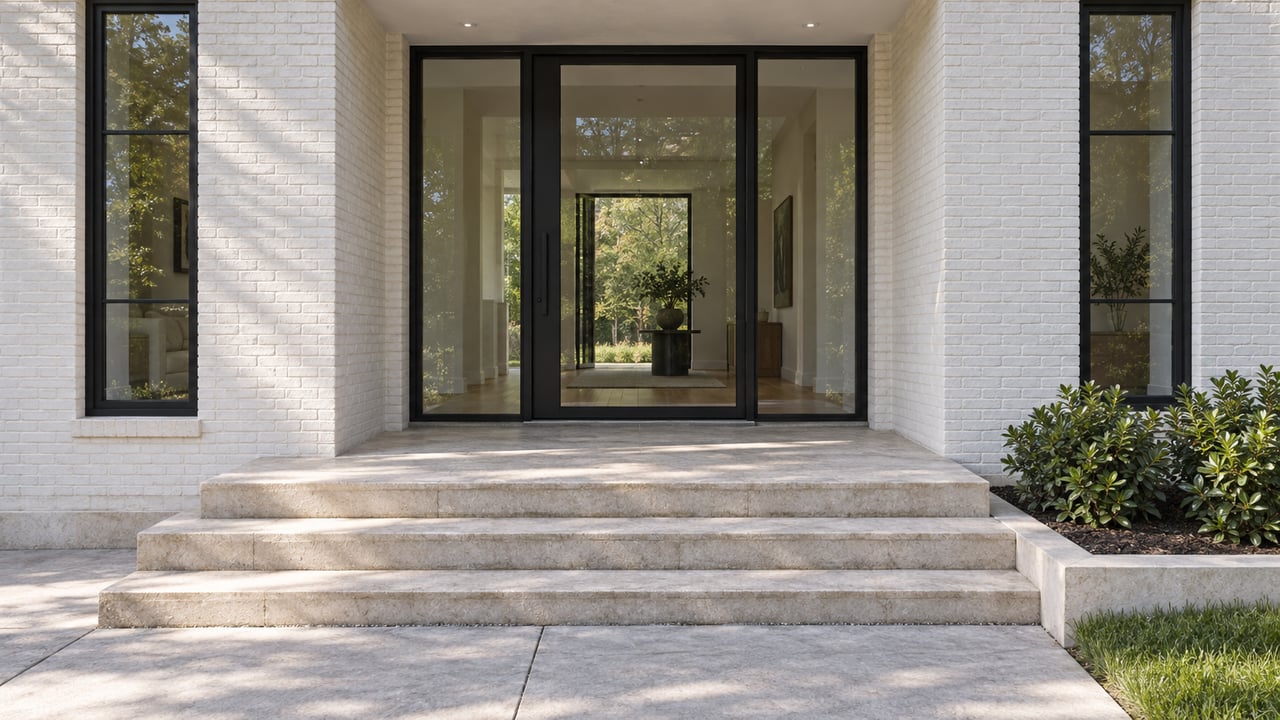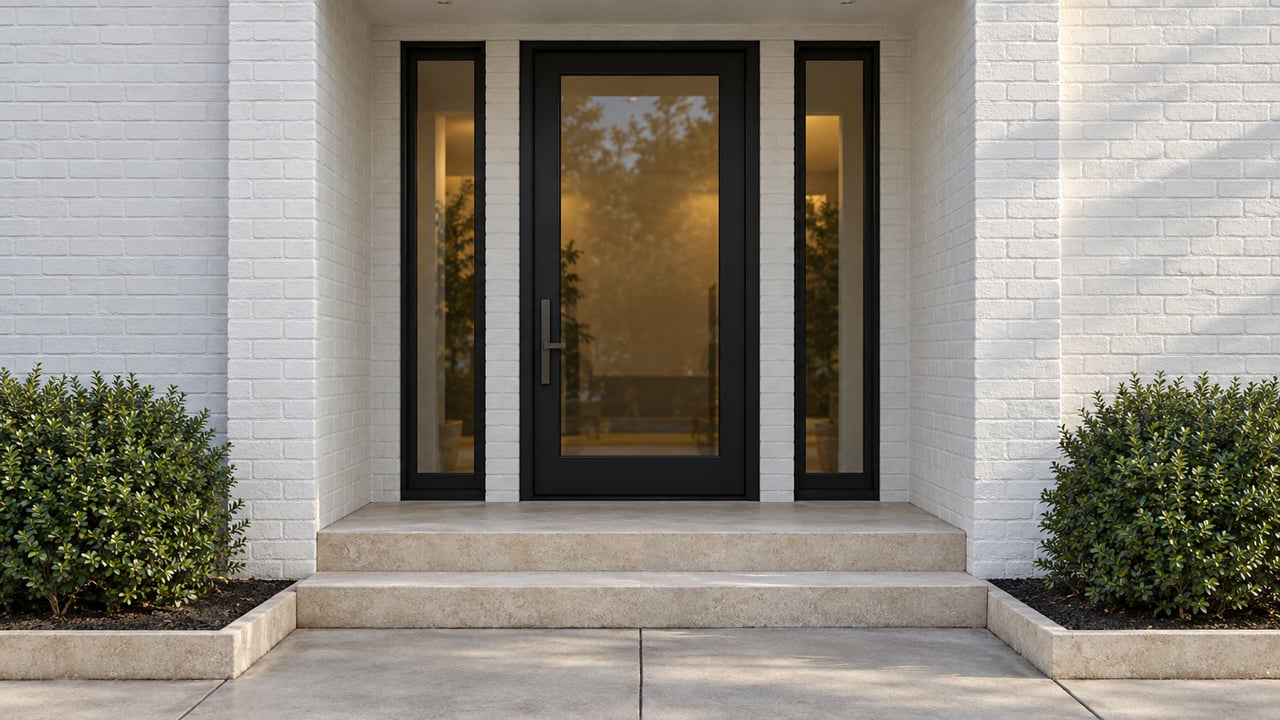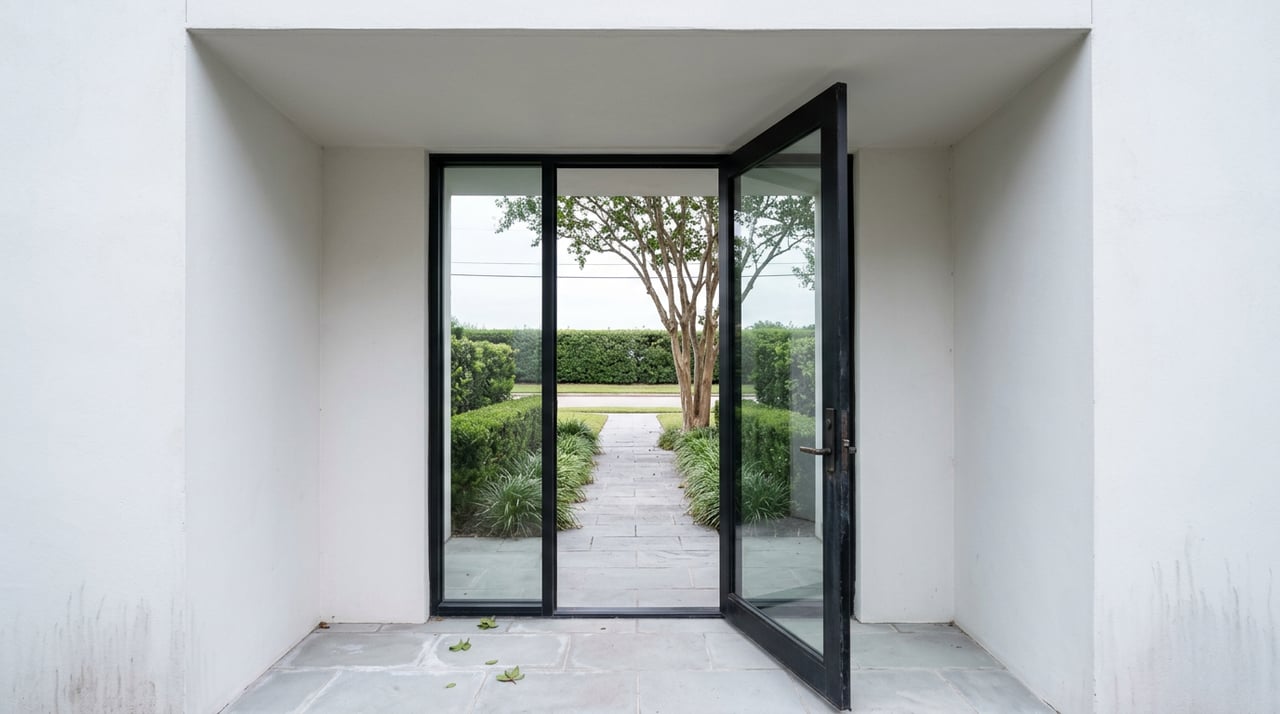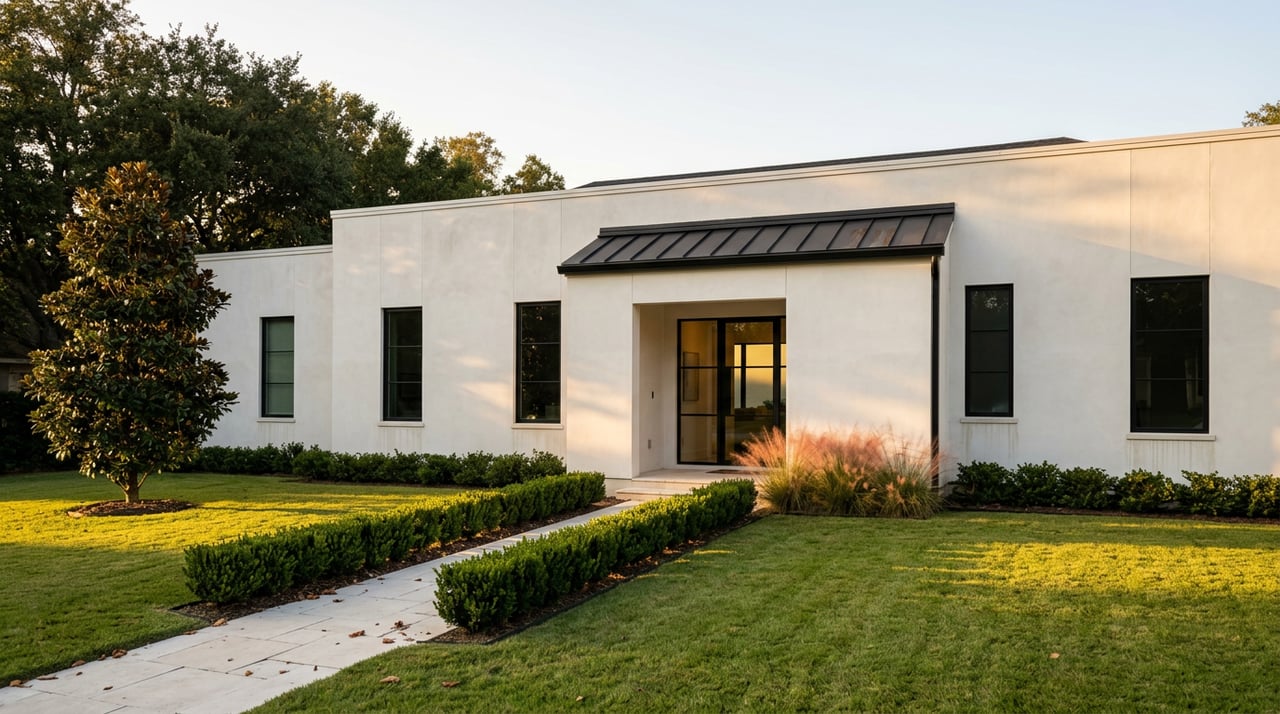
A buyer working the Braes Heights market this fall will run into a math problem that doesn't behave the way it does three blocks north in West University Place. In West U, the oldest house on the street tends to win the price-per-square-foot contest, because land is doing almost all the pricing and a dated interior barely dents the number. In Braes Heights, the opposite is happening. A newly built home is currently listed at $552 per square foot, while a thoughtfully updated 2002 home a few streets over is priced at $367 per square foot. Same zip code. Same school zone. A $185 gap in what a buyer pays for each square foot of house.
That gap is the story. It means the "buy the tired original and renovate" strategy that works so well elsewhere in the inner loop does not automatically pencil out here, and it changes what a seller should expect when pricing a 1950s ranch against the new construction next door.
Same Zip Code, Two Different Math Problems
Pull three active or recently listed properties in the 77025 corridor and the pattern holds up.
| Property | Year Built | Square Footage | List Price | Price per Sq Ft |
|---|---|---|---|---|
| Home on Dumbarton Street, Braes Heights Sec 10 | 2026 (new construction) | 5,076 | roughly $2,800,000 | $552 |
| Home on Glen Haven Boulevard, Braes Heights | 2027 (new construction, spec) | 4,853 | $2,164,950 | $446 |
| Home on Durness Way, Braes Heights Sec 09 | 2002 (updated) | 3,405 | $1,250,000 | $367 |
Three homes, three different construction eras, one consistent trend. The newer the build, the higher the price per square foot, and the spread between the newest home and the updated original is not a rounding error. It is roughly 50 percent.
That is worth sitting with, because it inverts a piece of conventional real estate wisdom that gets repeated across the inner loop without much scrutiny: that older homes on desirable lots always carry the highest per-foot value because buyers are really paying for dirt. In Braes Heights, buyers are paying for the finished product as much as the land underneath it.
Why the West University Rule Doesn't Travel Three Blocks South
In neighborhoods where teardown activity has been happening for decades, the oldest, smallest, least-updated house on a given street often posts the highest price per square foot. The logic is straightforward. A builder or buyer is pricing the lot, not the structure, and a smaller original home means less square footage to subtract that residual land value against. The math rewards scarcity of house, not abundance of finish.
Braes Heights sits in a different phase of that cycle. The neighborhood, part of the larger Braeswood Place development that dates to the 1940s, still has a substantial supply of 1950s and 1960s ranch homes that have already been renovated rather than replaced. That matters because a renovated original is competing on finish quality, not just lot value. A buyer choosing between a $367-per-foot updated ranch and a $552-per-foot new build is not choosing between land and no land. Both come with a lot. The buyer is choosing between an updated 20-year-old kitchen and a brand-new one, between 2002 mechanical systems and 2026 mechanical systems, between a floor plan drawn a generation ago and one drawn for how families actually use a house now.
That is a different transaction than the one happening in a neighborhood where original homes are genuinely original. It means the land-value discount that makes old houses a bargain elsewhere in the inner loop does not show up the same way here, and it means sellers of updated original homes need a pricing strategy built around finish quality and system age, not just square footage and lot size.
What the Extra Dollars Per Foot Are Actually Buying
Part of that premium traces back to what a new home in this flood-adjacent watershed is required to be. Braes Heights sits along Brays Bayou, and new construction here is built to elevated slab standards that postdate the older homes on the same block. The Harris County Flood Control District and the U.S. Army Corps of Engineers completed Project Brays, the $480 million effort to widen 21 miles of the bayou and add stormwater detention capacity, in May 2022. New construction permitted since then reflects updated site and elevation requirements that a 1950s or even early-2000s home was never built to meet.
That is not a reason to view the neighborhood through a risk lens. It is a reason the price-per-square-foot comparison is not apples to apples. A 2026 build and a 2002 build on the same street are not just different ages of the same product. They are built to different baseline standards, and a buyer paying $552 a foot is buying into those standards along with the finishes.
The Anchors That Don't Move With the Price Tag
Whatever tier a buyer lands in, the neighborhood around the house stays constant. Karl Young Park sits at the center of Braes Heights with sports fields, a playground, and a community center that runs programming throughout the year. The Brays Bayou Greenway threads through the neighborhood with off-street trail access that connects to the broader bayou park system. Families zone to Mark Twain Elementary, an International Baccalaureate World School, and Pershing Middle School, a fine arts magnet, with a choice between Lamar and Bellaire High School for IB continuation. Rice Village and Meyerland Plaza sit close enough for regular use rather than occasional trips.
None of that shifts based on whether the house behind the front door was built in 1958 or is scheduled to close in 2027. A buyer weighing the $185 gap in price per square foot is not weighing access to the park, the trail, or the school zone. Those are fixed. What is variable is the house itself, and increasingly in Braes Heights, that variable carries real weight in the final number.
The Middle Ground Nobody Prices Correctly
The most overlooked opportunity in this market sits in the space between $367 and $552 a foot. An original home with strong bones, updated by a seller before listing rather than sold as-is for a buyer to gut later, can often land closer to the new-construction end of that range without the cost or timeline of a full rebuild. That is the calculation sellers in Braes Heights should be running before they list: not simply "what did the house next door sell for," but "what is the gap between an as-is original and a pre-list-updated original actually worth in this specific price band."
That gap is where a seller's return on a pre-list renovation gets decided, and it is different math than the wholesale teardown logic that governs pricing in neighborhoods where nearly every original home eventually gets replaced.
Frequently Asked Questions
Does a higher price per square foot for new construction mean every original home in Braes Heights should be torn down? Not necessarily. The data shows new construction commanding a premium, but it also shows updated originals selling at solid values in their own right. The right move depends on the specific home's condition, lot, and how much of that finish gap a seller is willing and able to close before listing.
How does the Braeswood Place Homeowners Association factor into a renovation or new-build decision? The Braeswood Place Homeowners Association is a voluntary organization established in 1951 that maintains community standards and deed restrictions. Anyone planning a significant renovation or new build should review current deed restrictions and any architectural guidelines before finalizing plans, since they can affect setbacks, height, and design choices.
Is the price gap between new and updated homes likely to hold, or could it narrow? The comparison here reflects listings active as of September 2026. Price gaps in any Houston micro-market shift as inventory turns over, so a seller or buyer should look at current, not historical, comparables before making a pricing decision.
If you are trying to figure out where your Braes Heights home falls in this math, or whether a pre-list update could close the gap between an as-is sale and a fully renovated one, Kasteena Parikh can walk through the specific numbers for your street. Request a Pre-List Consultation to get a clear-eyed read on what your home is worth as it stands and what it could be worth with the right work done first.