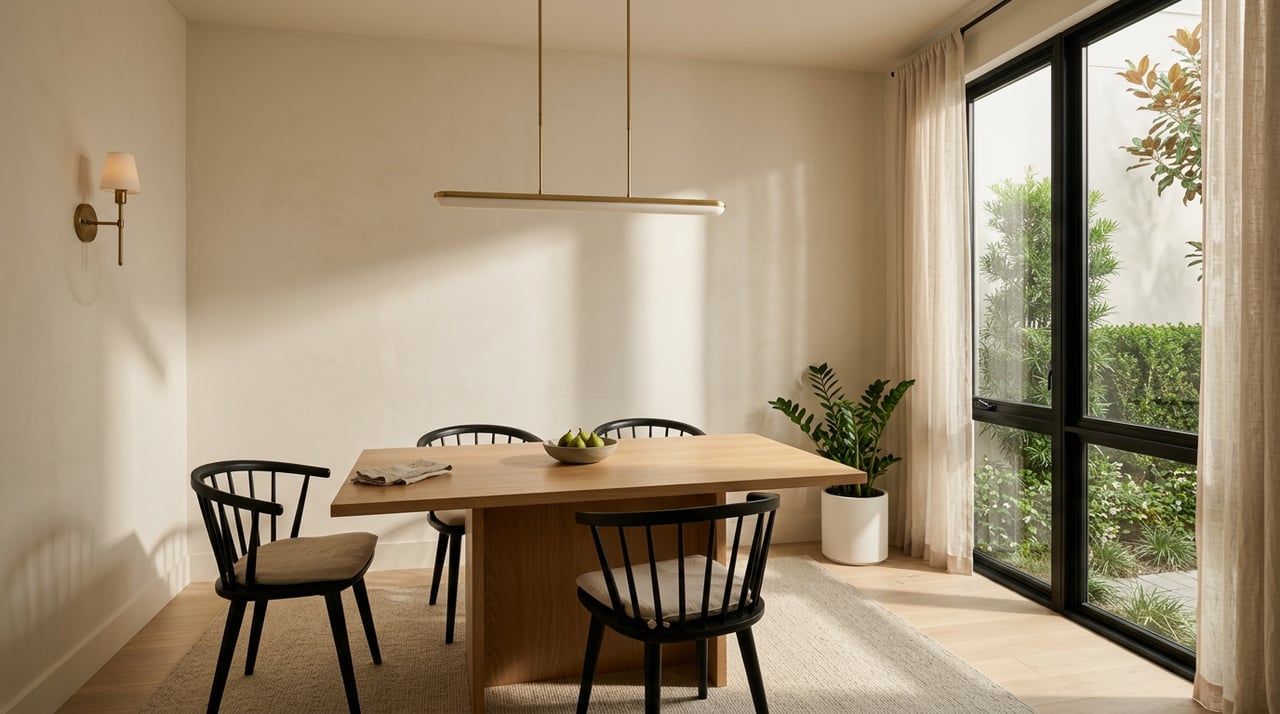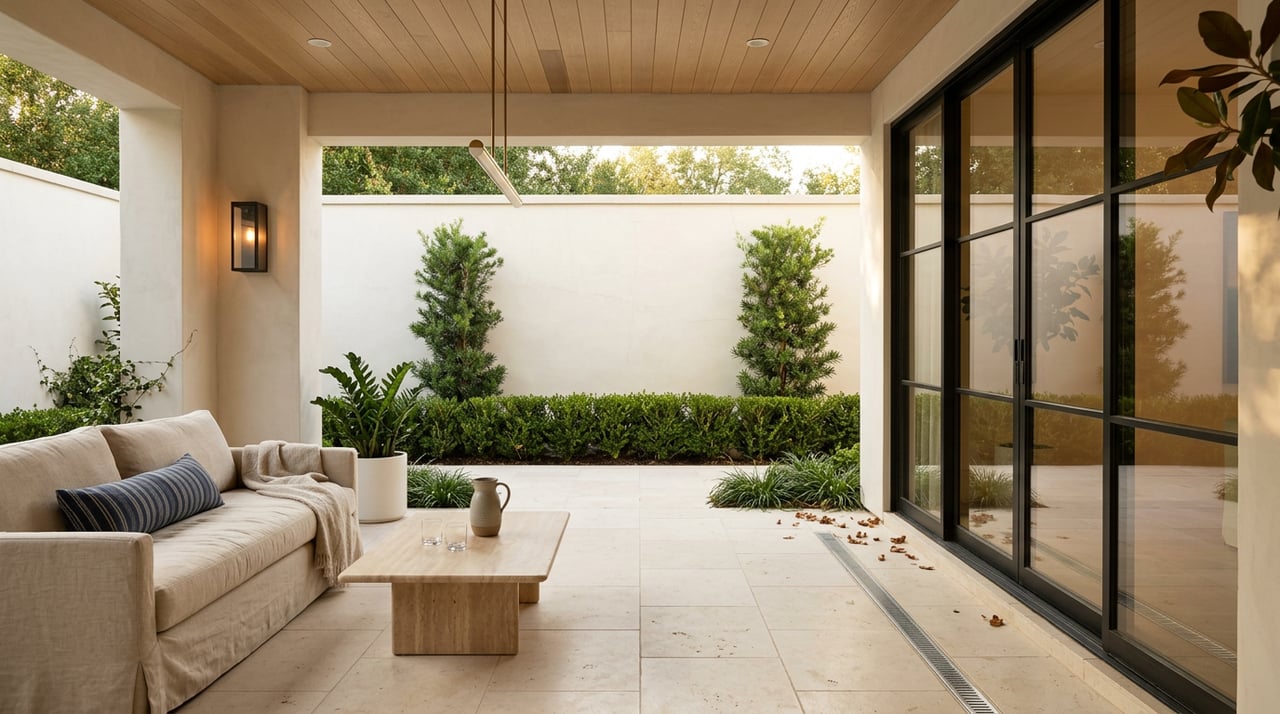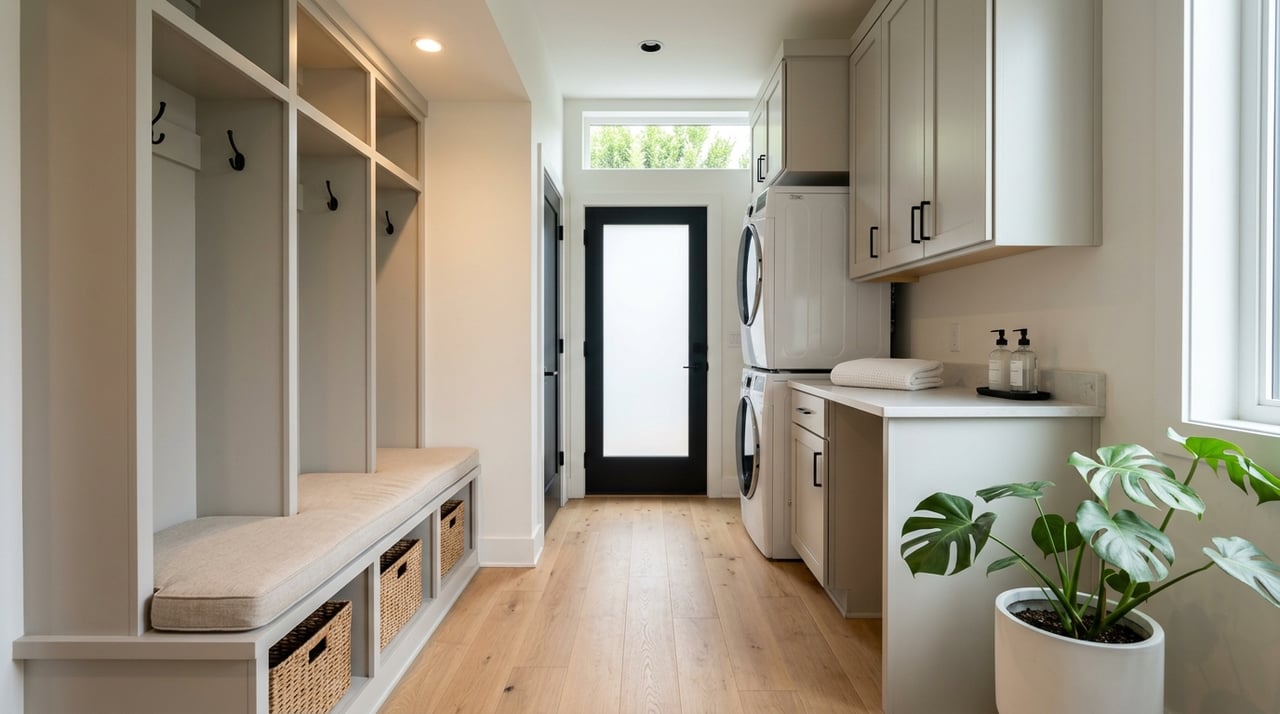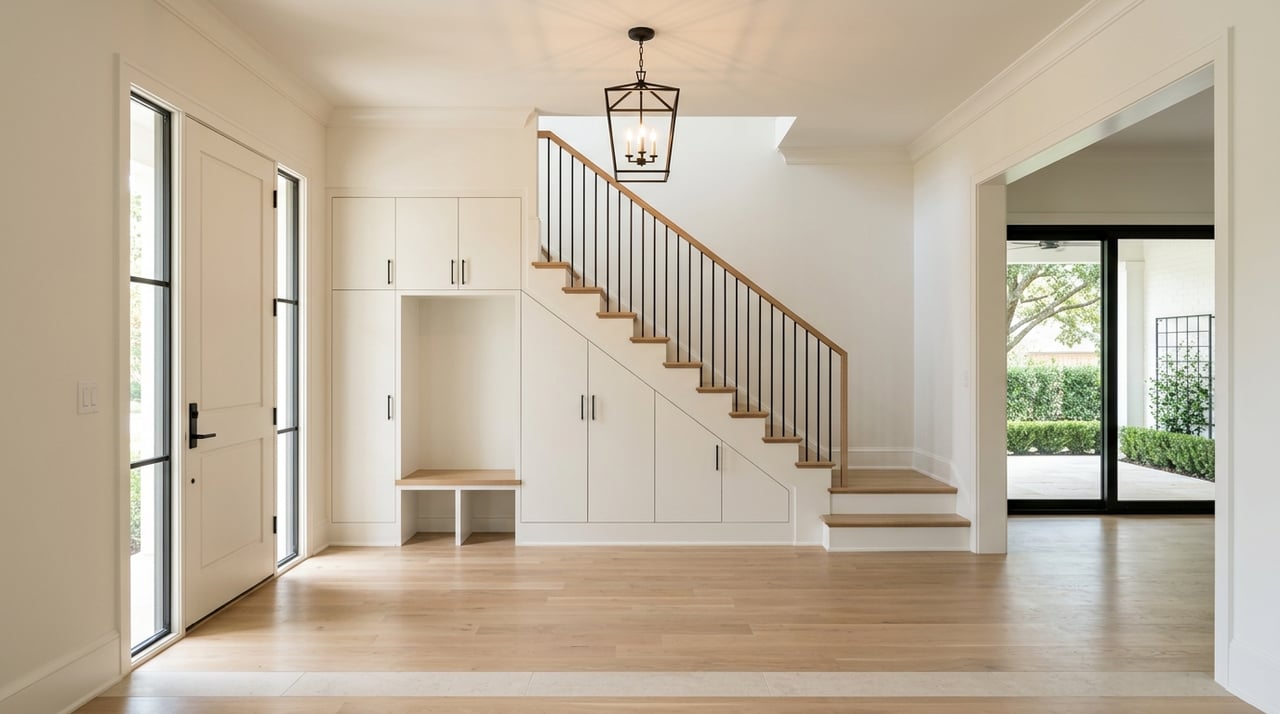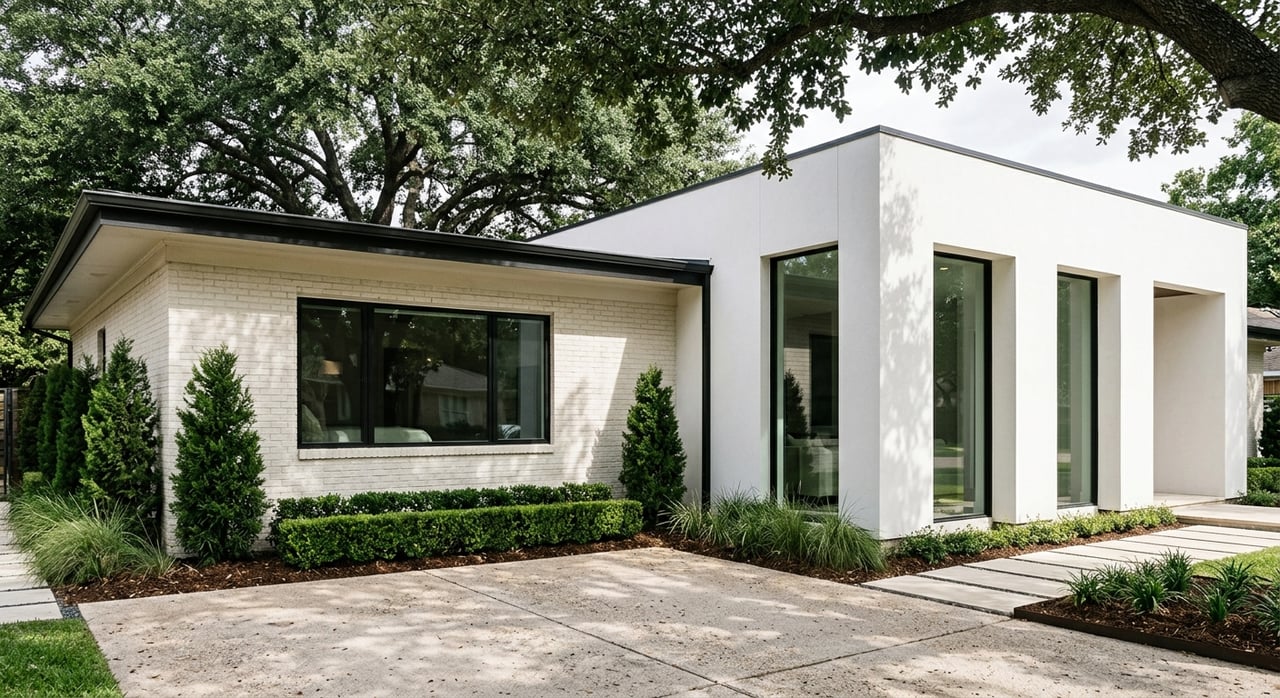
If you own an older home in West U, you are probably weighing a big question: should you renovate what you have, add on, or start over completely? In a neighborhood where many homes date back decades and property values are strong, the right path is not always the most obvious one. The key is to match your home, your lot, and your timeline to what today’s buyers are actually willing to pay for. Let’s dive in.
Why this decision matters in West U
West U is an established inner-loop Houston neighborhood with older housing stock and meaningful lot sizes. Public neighborhood data show a median year built of 1991, a median lot size of 7,500 square feet, and a median market value above $2 million.
That context matters because value here is rarely about spending the most money. It is about choosing the improvement path that best aligns your property with neighborhood expectations, deed restrictions, and the current resale market.
Market snapshots also show a range of pricing and pace. Redfin reported a median sale price of $1,988,424 in March 2026, with median days on market at 23.6 and a 95.9% sale-to-list ratio, while HAR shows active listings roughly in the $1.5 million to $2.3 million range.
Key West U restrictions to know
Based on the recorded restriction text for much of the neighborhood, owners should pay close attention to these standards:
- Minimum size of 1,500 square feet for a one-story single-family home
- Minimum size of 2,000 square feet for a two-story single-family home
- Height cap of 28 feet for one-story homes
- Height cap of 38 feet for two-story homes
- Typical setbacks of 25 feet in front
- Typical side setbacks of 5 feet
- Rear setback of 10 feet for one-story homes
- Rear setback of 20 feet for two-story homes
- No lot subdivision
- Newly constructed homes must include a private enclosed two-car garage
- New construction requires at least 80% masonry
- Remodeling or renovation of older existing homes generally requires at least 51% masonry
West U permitting still matters
Houston does not use zoning, but it still regulates development through ordinances and site plan review. City planning guidance says new structures, additions, and remodels may be reviewed for issues like lot size, setbacks, parking, and landscaping.
That means even if a project feels straightforward, it still needs to be routed correctly. The city also notes that some minor remodels and repairs can trigger full plan review if submitted incorrectly.
Option 1: Renovate the home you have
For many West U owners, renovation is the most practical path. It tends to involve the least friction when the house is structurally sound, the footprint already works, and the main issues are condition, finishes, or aging systems.
This route can be especially appealing in an older neighborhood where the original lot layout may already conform to restrictions. If your goal is to improve buyer appeal without changing the home’s basic envelope, renovation may offer the cleanest path.
When renovation makes sense
Renovation is often the best fit when:
- The home already has a functional layout
- The structure is in good enough condition to justify updating
- You want to improve presentation more than square footage
- You want to reduce approval and construction complexity
- Your lot would make an addition difficult under current setbacks
National remodeling data cited in the research also support a measured approach. REALTORS® most often recommend painting the entire home, painting one room, and new roofing, while NAR reports that 46% of buyers are less willing to compromise on condition.
Zonda’s 2025 Cost vs. Value summary adds another useful takeaway: exterior replacements tend to deliver stronger resale return than more discretionary interior remodels, and more complex projects often recover less at sale.
What to watch with a renovation
Renovation is not a free pass on compliance. In West U, exterior work still needs to respect masonry standards and ARC review requirements.
If you are updating an older home for resale, focus on improvements that help the property compete with nearby listings. In many cases, that means better condition, stronger curb appeal, and a more polished overall presentation rather than a major reconfiguration.
Option 2: Expand with an addition
An addition can be a smart middle ground if you like your location and lot, but the current home is missing one or two important spaces. The challenge is that adding square footage only works when the lot, setbacks, height limits, and overall design can support it.
In West U, this is where paper plans need real-world testing. A desirable addition still has to fit the neighborhood rules before it can add value in the market.
When an addition makes sense
Expanding may be the right choice when:
- You need more functional square footage
- The lot can accommodate the added space within setbacks
- The new space will solve a real layout problem
- The existing house has enough value and condition to build onto
- You want a better lifestyle fit without the full reset of a teardown
The research report notes that buyers respond strongly to certain additions and upgrades. NAR’s 2025 Remodeling Impact Report gives a perfect Joy Score to projects like an added primary bedroom suite, a kitchen upgrade, and new roofing.
That said, buyer enthusiasm and resale math are not always the same thing. The same report also notes that larger, more complex projects tend to recover less of their cost at sale than simpler, more universal updates.
What makes expansion tricky
An addition can run into several pressure points at once:
- Setback limits n- Height limits for one-story or two-story designs
- Masonry requirements
- ARC approval before permitting
- Longer construction timelines than a cosmetic renovation
This path often works best when the added square footage meaningfully improves how the home lives and how it compares with competing listings. If the addition feels forced or only partially solves the home’s issues, it can become an expensive compromise.
Option 3: Rebuild from the ground up
A rebuild is the most dramatic option and sometimes the right one. If the current house is too small, too compromised, or too awkward to justify major work, starting over may produce the best end result.
But it is also the longest and riskiest route. In West U, a teardown and rebuild usually means neighborhood review plus city permitting and site plan review, which can add time, carrying costs, and more opportunities for scope changes.
When rebuilding may be worth it
A rebuild may deserve serious consideration when:
- The existing structure is far below what buyers expect in the area
- The current layout cannot be fixed efficiently
- Renovation costs are approaching new-build territory
- The lot can support a well-targeted finished product
- You can absorb a longer timeline and more uncertainty
The local market supports careful analysis here, not assumptions. West U has older homes, sizable lots, and a wide value range, but the research report makes clear that a teardown strategy should be based on a realistic end product and comparable sales, not on the idea that bigger always means better.
Why rebuilding needs discipline
Current market conditions are important. With a reported median 79 days on market and a 95.9% sale-to-list ratio, West U is not a market where every property sells instantly at any price.
That means a rebuild should be aimed at a clear buyer and a clear resale position. The most dramatic path is not always the most profitable one.
A simple way to compare your options
For most West U owners, the decision comes down to three factors: compliance risk, time to market, and likely buyer appeal. Looking at the project through that lens can keep you from overspending on the wrong solution.
Option | Best when | Main advantage | Main risk |
|---|---|---|---|
Renovate | Structure is sound and layout works | Usually the lowest-friction path | May not solve size or layout limitations |
Expand | Lot and setbacks allow meaningful added space | Improves function without full teardown | More approvals and cost than a renovation |
Rebuild | Existing home is too compromised or undersized | Most transformative result | Longest timeline and highest execution risk |
How to think like a seller, not just an owner
It is easy to make this decision based on emotion. You may love the lot, feel attached to the house, or want to avoid disruption.
But if your goal is resale, the better question is this: which path best aligns your property with what buyers are already paying for in West U? That answer is often more useful than asking which option creates the biggest house or the flashiest finish level.
In an older neighborhood, thoughtful updates can outperform oversized plans if they better match the market. The smartest investment is usually the one that improves buyer demand while staying realistic about restrictions, timing, and overall return.
A practical next step before you decide
Before you commit to plans, compare your home against three groups of properties: updated originals, expanded homes, and newer construction in West U. That side-by-side view can help you see where your home fits today and which path has the strongest logic for your lot and price point.
This is also where a project-managed listing strategy can make a difference. If you are preparing to sell, the goal is not simply to improve the home. It is to choose the level of work that supports stronger presentation, stronger buyer response, and better net proceeds.
If you are weighing whether to renovate, expand, or rebuild your West U home, Kasteena Parikh can help you evaluate the market, the property, and the prep strategy with a clear seller-focused plan.
FAQs
What is the biggest factor in choosing between renovation, expansion, and rebuilding in West U?
- The biggest factor is usually how your home’s current condition and layout compare with neighborhood expectations, while still fitting West U permitting rules.
Are lot setbacks important for West U home projects?
- Yes. Public restriction text outlines typical setbacks, including 25 feet in front, 5 feet on the side, and 10 or 20 feet in the rear depending on whether the home is one story or two story.
Is rebuilding an older West U home always the most profitable option?
- No. A rebuild can be the most transformative option, but the research supports treating it as a case-by-case decision based on timeline, carrying cost, approvals, and how the finished home would compare with local sales.
Is renovation often the fastest path for selling an older West U home?
- In many cases, yes. When the structure is sound and the layout works, renovation is typically the lowest-friction option because it is less likely to create major setback or lot-configuration issues than an addition or rebuild.