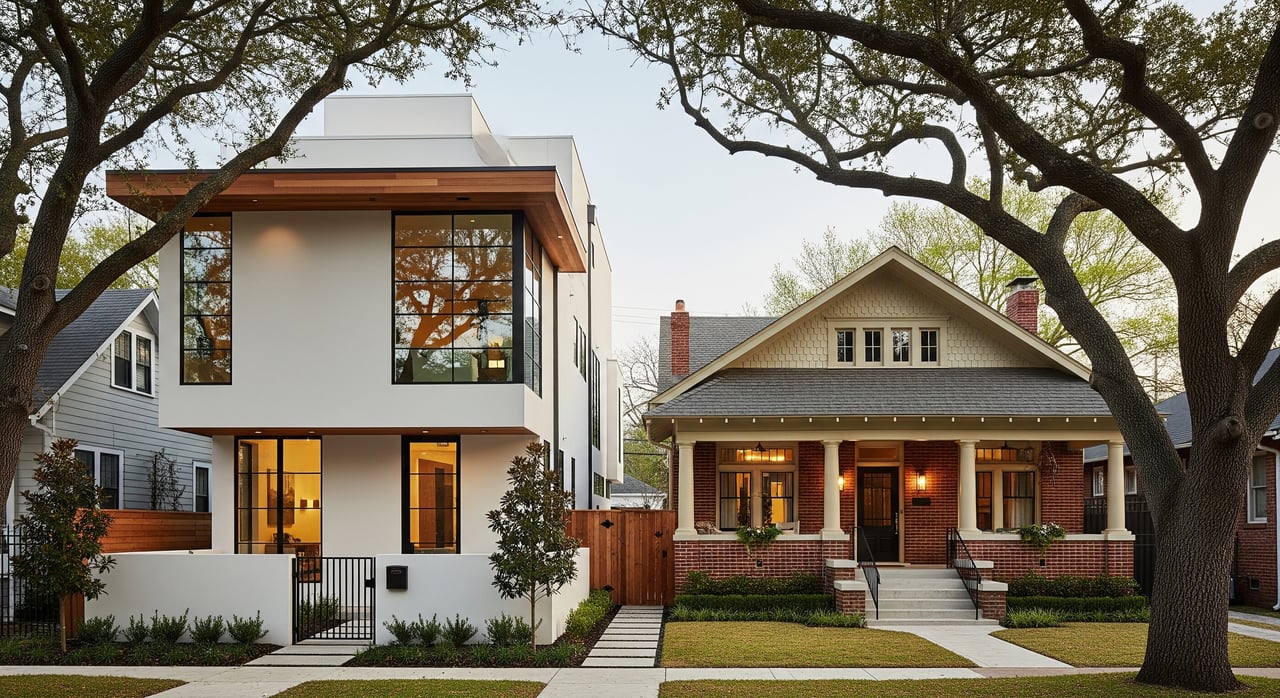
Torn between a sleek new build and a renovated charmer in Montrose? You are not alone. With a mix of historic bungalows and modern infill homes, the choice comes down to your budget, timeline, and lifestyle. In this guide, you will learn the real tradeoffs on cost, maintenance, energy, permits, and resale so you can move forward with confidence. Let’s dive in.
Montrose reality check
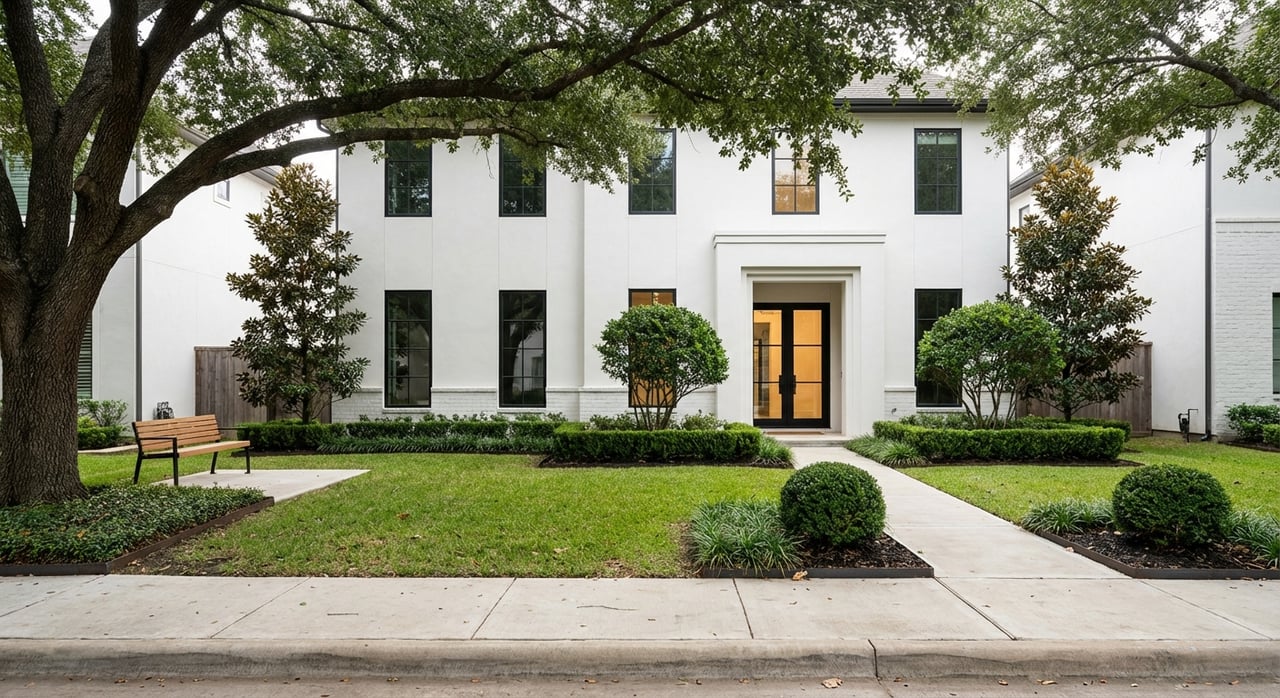
Montrose sits inside the Loop with a blend of early 20th‑century cottages, mid‑century homes, and a steady flow of new construction. Lots vary in shape and size, and many homes sit close to restaurants, galleries, parks, and the Museum District. Location holds strong value, so you often pay for proximity even if the lot is small. Parts of Montrose can also face urban flooding due to its location near Buffalo Bayou, which affects both new and older homes.
New construction: what you get
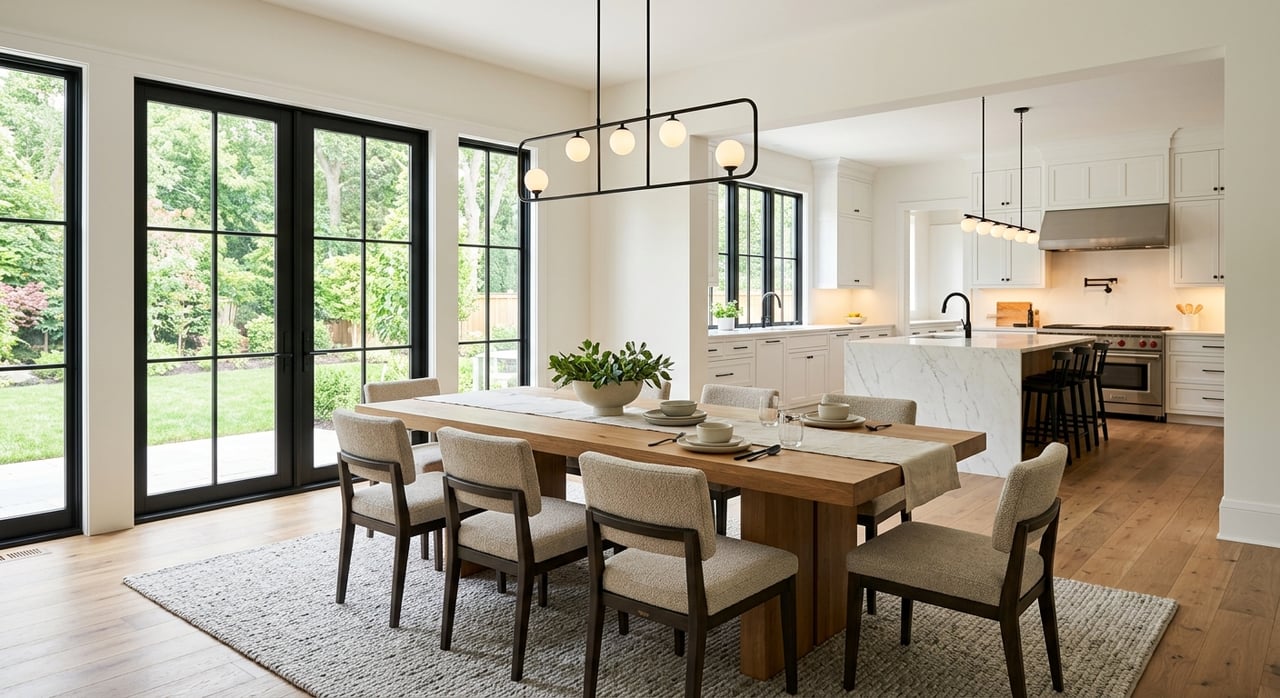
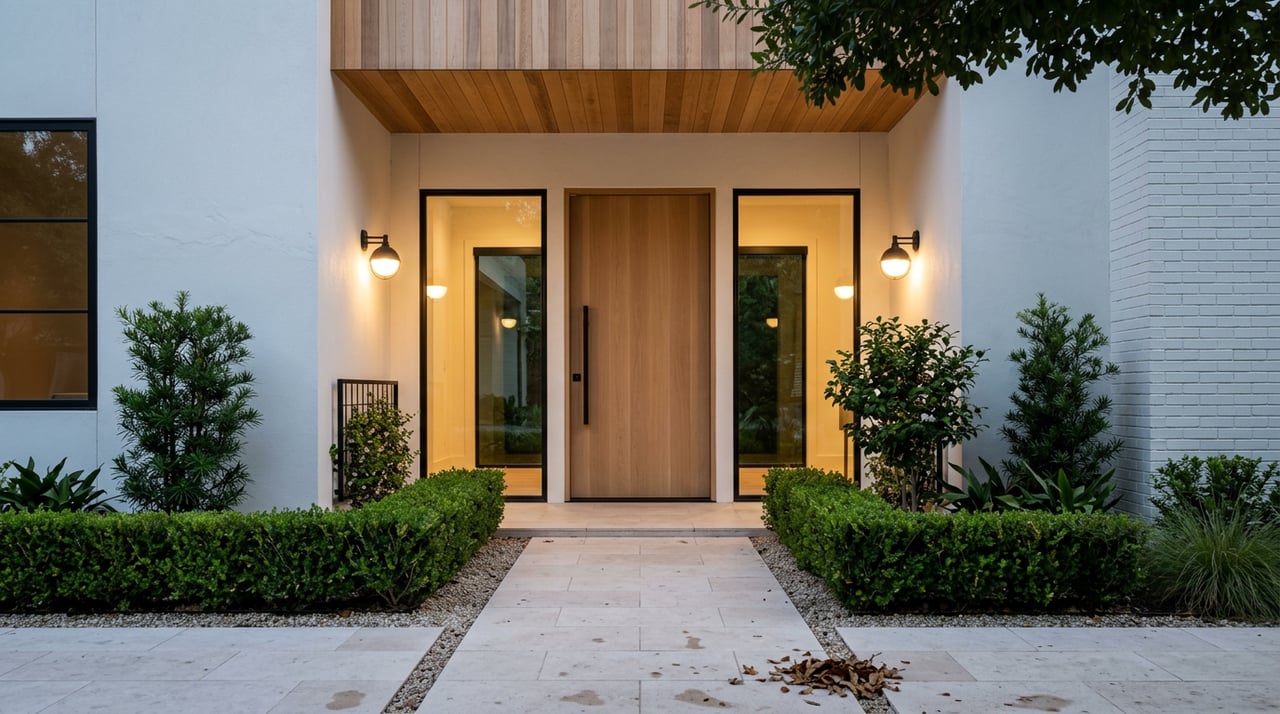
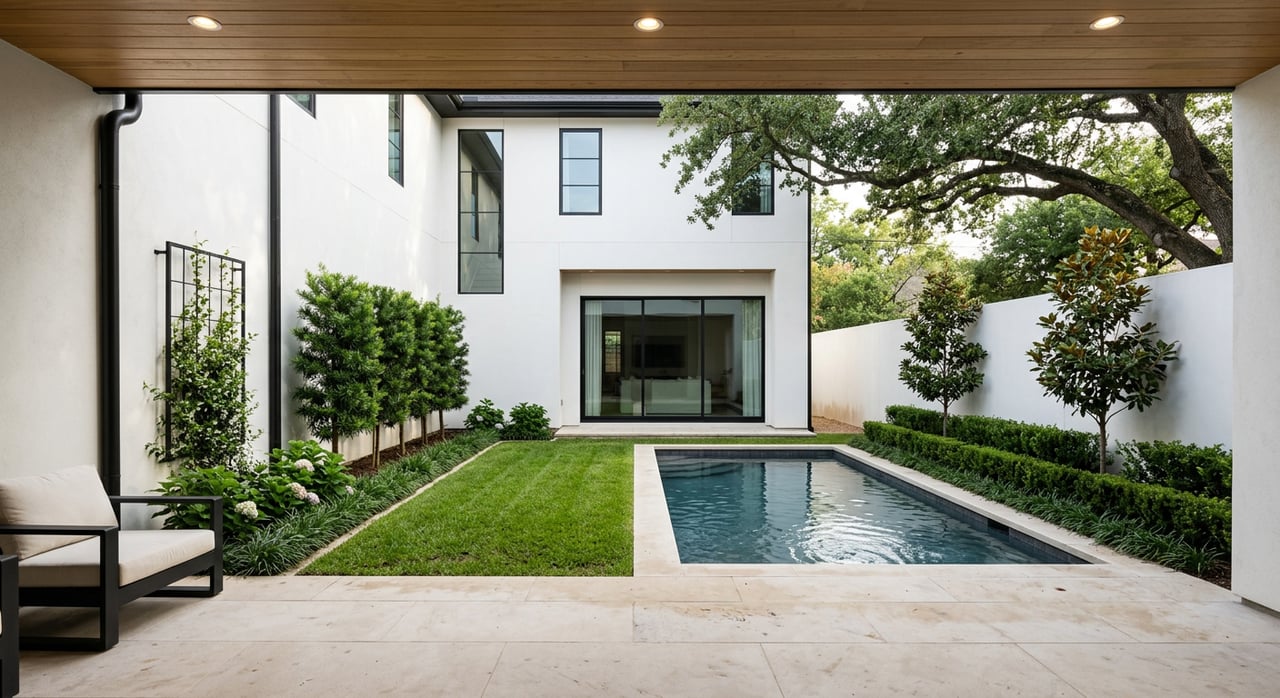
New homes deliver modern layouts, high ceilings, flexible great rooms, and indoor to outdoor flow that fits today’s lifestyle. Systems are new, which often lowers maintenance in the first years. Builders may offer limited warranties, so you have fewer surprise expenses up front.
Cost and upkeep
- Upfront price per square foot is usually higher, but you avoid many immediate repair costs.
- New HVAC, roof, electrical, plumbing, and windows lower near‑term maintenance.
- Land value is a big part of the price in Montrose, which can push new-build costs higher on well-located lots.
Energy performance
- New builds meet current energy codes and make it easier to add efficient HVAC, better insulation, high‑performance windows, and LED lighting.
- If you plan solar or other upgrades, review current incentives through the Database of State Incentives for Renewables and Efficiency and confirm eligibility with your tax professional using IRS energy credit guidance.
Permits and timeline
- Teardown and new construction require a full permit set with the City of Houston. Check current submittal needs with Houston Planning and Development.
- From demolition to move‑in, a complex urban infill build can take several months to more than a year, depending on permitting and contractor schedules.
Renovated historic homes: what you get
Renovated homes keep neighborhood character and often come with original hardwoods, trim, built‑ins, and mature landscaping. The layouts may be more segmented, but many remodels open key areas like kitchens and family rooms. You get one‑of‑a‑kind style that many Montrose buyers love.
Cost and upkeep
- Purchase price can be lower than a new build, but factor in hidden costs like foundation, plumbing, electrical, roof, and moisture mitigation.
- Renovation scope drives the budget. A full gut can equal, or exceed, new-build costs per square foot.
- Older systems may need earlier replacement, especially if prior updates were partial or dated.
Energy performance
- You can significantly improve efficiency, but the most effective upgrades often require opening walls or roofs for insulation and air sealing. The U.S. Department of Energy’s guidance helps you prioritize.
- Solar and weatherization incentives can apply to existing homes as well. Verify programs on DSIRE and confirm tax credits through the IRS.
Historic review and exterior changes
- If a property is locally designated or in a historic district, exterior changes can require review. Start with Houston Planning and Development for local rules and processes.
- State and federal historic tax credits generally apply to income‑producing properties. Review details with the Texas Historical Commission and the National Park Service.
Total cost of ownership in Montrose
Focus on total cost, not just list price. Include purchase price, immediate repairs, likely future upgrades, insurance, property taxes, and living costs during any work.
Build a simple worksheet:
- Known repairs now: roof, HVAC, plumbing, electrical, foundation, drainage.
- Future wish list: kitchen, baths, windows, insulation, outdoor space.
- Soft costs: design, engineering, permits, temporary housing, storage.
- Contingency: 10 to 15 percent for cosmetic projects, 20 to 30 percent for full guts or structural work.
Flood and insurance due diligence
Flood risk varies block by block in Montrose. Insurance availability and cost can affect your monthly budget and your comfort level.
Do these early:
- Review the property’s flood zone on the FEMA Map Service Center.
- Check local drainage projects and risk insights with the Harris County Flood Control District.
- Ask for any elevation certificates and seller disclosures of past flooding or claims.
- Get quotes for both homeowners and flood insurance before you finalize your offer.
Permits, rules, and historic status
Before you plan a teardown or major remodel, confirm what is allowed on the lot and what approvals you need.
Key checks:
- Lot survey, setbacks, and easements. Ensure your plan fits the buildable area.
- Deed restrictions. Some subareas have rules on use or design.
- Historic status. Confirm whether the home is a designated landmark or within a historic district through Houston Planning and Development.
- If you think a property could qualify for historic programs, review the Texas Historical Commission’s guidance. For federal incentives, read the National Park Service program overview, which generally applies to income‑producing properties.
Resale and marketability in Montrose
There is buyer demand for both renovated charm and modern design. Your resale upside depends on how well the home’s features and condition meet expectations at your price point. High‑quality systems upgrades and well-executed kitchens and baths tend to support resale value. Structural or location constraints can limit ROI, so focus on the big-ticket fundamentals first.
Financing paths to compare
- New construction: construction‑to‑permanent loans or builder financing may apply. These convert to a standard mortgage after completion.
- Renovation: products like FHA 203(k), Fannie Mae HomeStyle, or private construction loans can wrap purchase and improvements into one loan. Ask your lender for current terms and timelines.
- Homestead exemption: for primary residences, review eligibility with the Texas Comptroller to understand how the exemption can reduce your taxable value.
Decision checklist for Montrose buyers
Use these questions to narrow your choice:
- How long will you live in the home, and does that support a major project or a move‑in-ready choice?
- Do you prize original character or modern open‑plan living?
- Are you comfortable managing a renovation, or do you want new systems and fewer unknowns?
- Does the lot support your plan, including setbacks, utilities, and stormwater needs?
- What is the property’s flood risk and expected insurance cost?
- Which deferred maintenance items are present, and how large are the repairs?
- Do you need to move in right away, or can you live through or plan around construction?
- Which financing option fits your budget and timeline?
Practical next steps
- Schedule a general inspection plus foundation, pest, and moisture specialists before you finalize your offer.
- Pull the survey, title, and any deed restrictions. Confirm setbacks and easements.
- Speak with Houston Planning and Development about required permits and, if applicable, historic review.
- Get two or more contractor bids for your planned scope, and add the right contingency.
- Request insurance quotes for both homeowners and flood policies.
- If you plan energy upgrades or solar, review options on DSIRE and confirm credits with the IRS.
When you want a design-savvy, risk-aware plan that fits Montrose, you deserve a partner who can compare apples to apples and manage the moving parts. If you are weighing a specific property, reach out to discuss total cost, timeline, and resale strategy, then decide with confidence. Connect with Kasteena Parikh to get started.
FAQs
What are the biggest cost differences between new and renovated homes in Montrose?
- New builds carry higher upfront price per square foot with lower early maintenance, while renovated homes may cost less to buy but often require hidden repairs for systems, structure, or moisture.
How do I check flood risk for a Montrose property before I offer?
- Review the address on the FEMA Map Service Center, check local context on the Harris County Flood Control District, and request any elevation certificates and past-claims history.
Do historic rules limit what I can change on a Montrose home?
- If the home is designated or in a historic district, exterior changes may require review, so confirm status and process with Houston Planning and Development.
Can I get tax credits for renovating a historic Montrose home I live in?
- State and federal historic credits generally apply to income‑producing properties, so review details with the Texas Historical Commission and the National Park Service.
Which energy upgrades offer the best payoff in older Montrose homes?
- Start with insulation, air sealing, efficient HVAC, and lighting, using the U.S. Department of Energy’s guidance to prioritize, and verify credits with the IRS.
What financing options can combine purchase and renovation in one loan?
- Products like FHA 203(k), Fannie Mae HomeStyle, or private construction loans can roll improvements into your mortgage, so ask your lender about current requirements and timelines.